
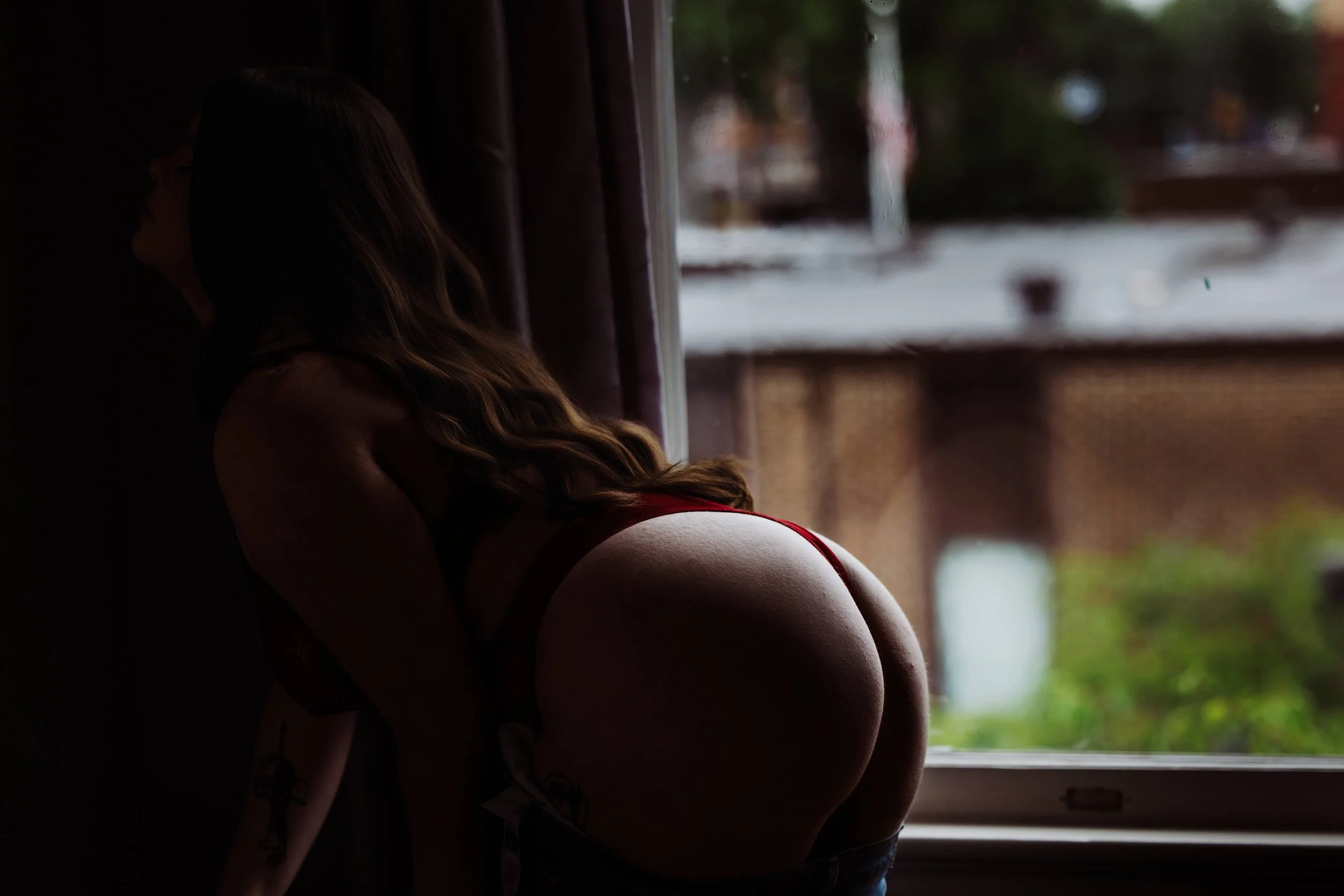
The Ultimate Guide to
Boudoir Photography in New Bern, NC
Everything you need to know to walk in confident, prepared, and ready to have the best experience of your life.
Tips on Clothing, Makeup and Hair for Boudoir Photos
Let's start with the thing most guides don't say out loud:
You don't have to earn this.
You don't have to lose the weight first. You don't have to wait until things are less busy, until you feel more ready, until you've done something that justifies treating yourself. You don't have to be a certain age, a certain size, in a relationship, or in a particular chapter of your life.
Boudoir photography is not a reward for arriving at some version of yourself that feels worthy of it. It is the arrival. It's the decision to show up for yourself — exactly as you are right now — and walk away with proof of how incredible that actually looks.
Every single client who has ever sat in my chair has had some version of the same thought walking in: I'm not sure I'm ready for this. And every single one of them has walked out with photos that make them stop scrolling and just... look.
That's what this is for. This guide covers everything — what to wear, how to prep, what the session feels like, and what to do with your images when you have them.
Let's get into it.
Table of Contents: (Jump to any section)
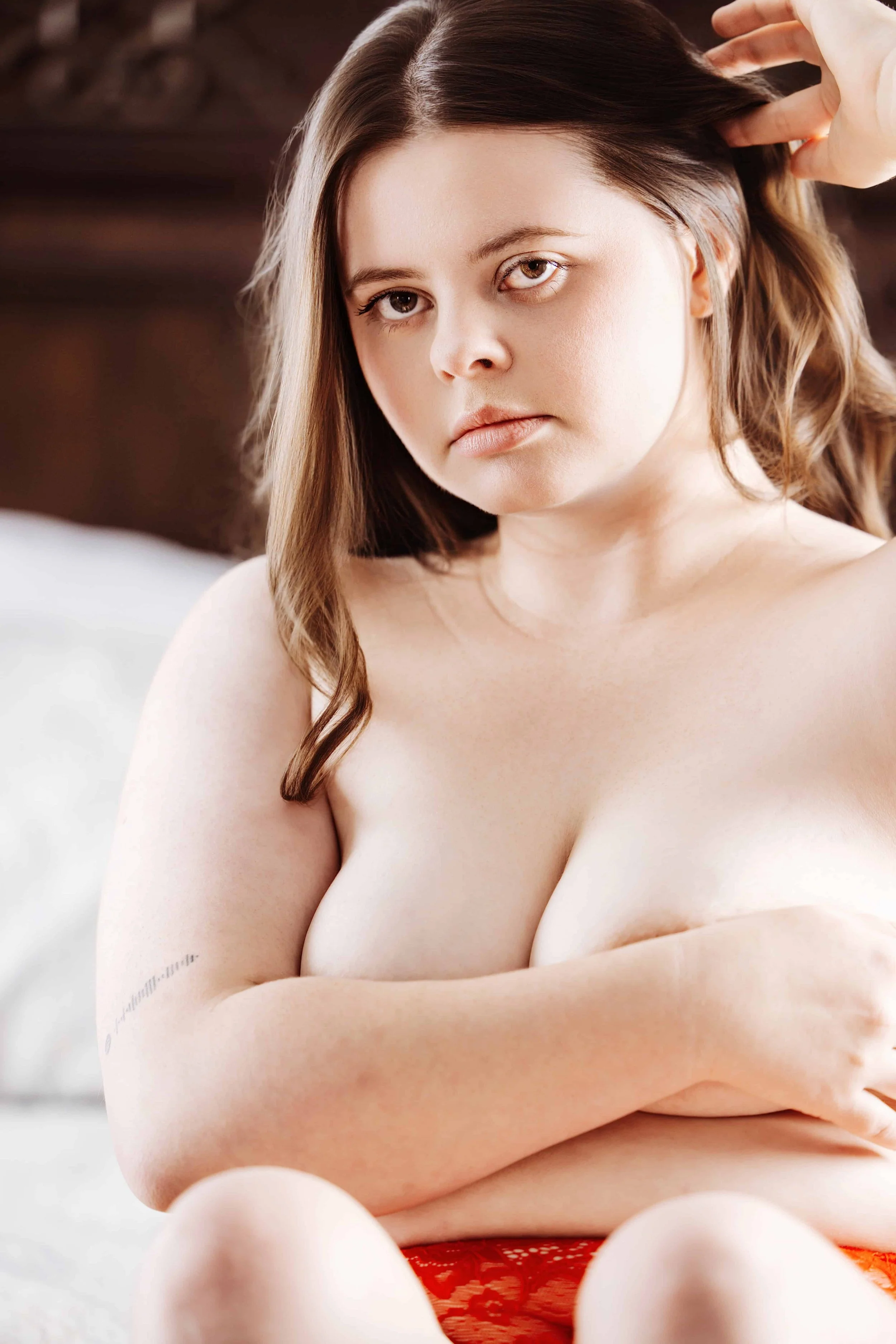
This is for YOU
Not for your partner. Not for a gift. Not for a special occasion that finally gave you "permission."
For you.
Now — boudoir absolutely can be a gift. It can be a wedding anniversary surprise, a push present, a milestone birthday, a celebration of a body that carried you through something hard. Those are all real and valid and beautiful reasons to book.
But the women who walk away most transformed? They booked it for themselves. Because they wanted to. Because they decided they were worth it. Because something in them said now — and they listened.
Boudoir is for:
The woman who has always wanted to do this and kept talking herself out of it. The new mom who doesn't recognize her body yet and needs to be reminded how stunning it is. The woman in her 50s who's been told by society for a decade that her window has passed (it hasn't). The woman who just got out of a relationship and is reclaiming herself. The woman who's been taking care of everyone else and forgot to take care of her. The bride who wants something just for her — not for the wedding, not for anyone else, just hers.
Every body. Every age. Every reason or no reason at all.
If you've been thinking about it — that's already your answer.
Choosing your style & mood
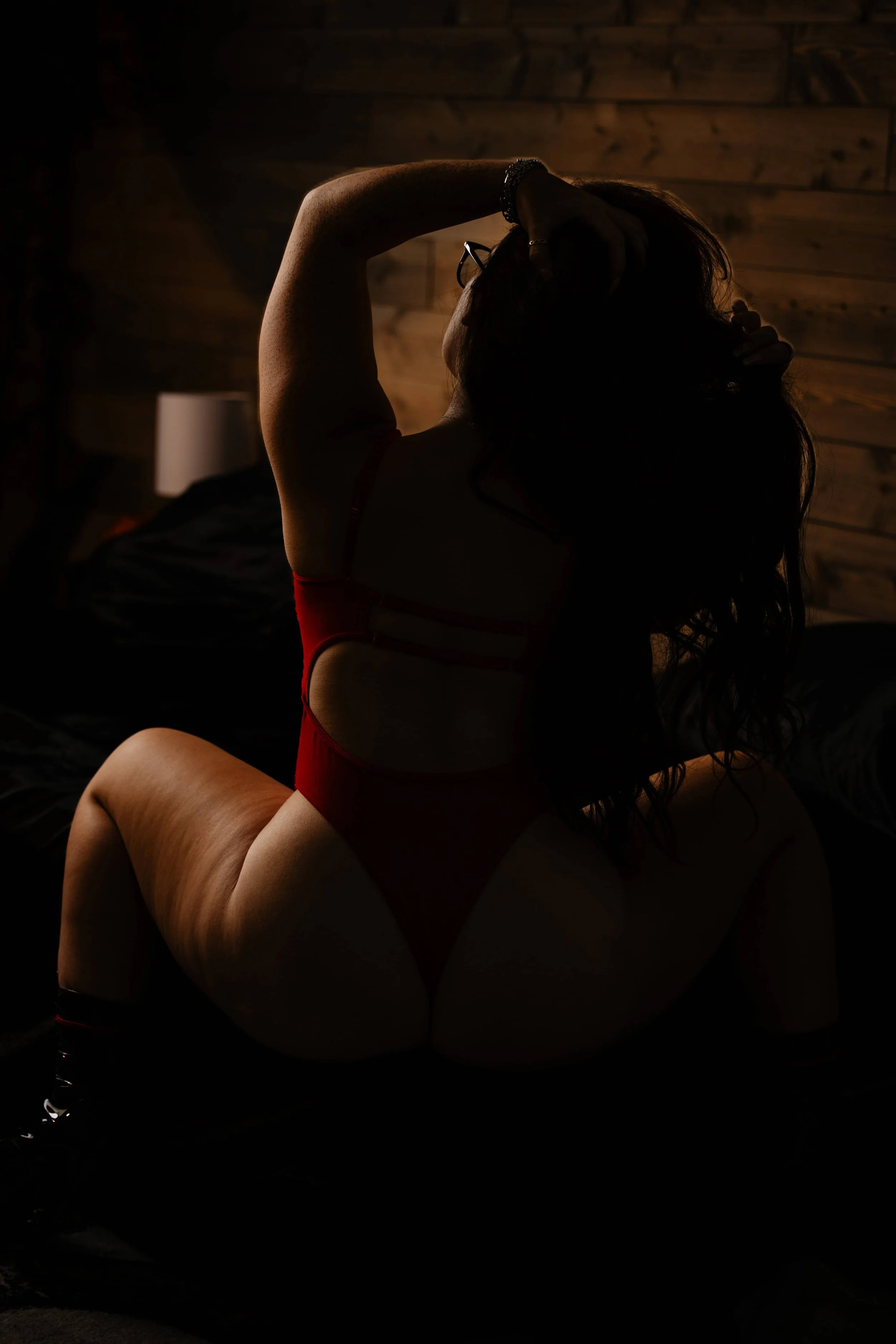
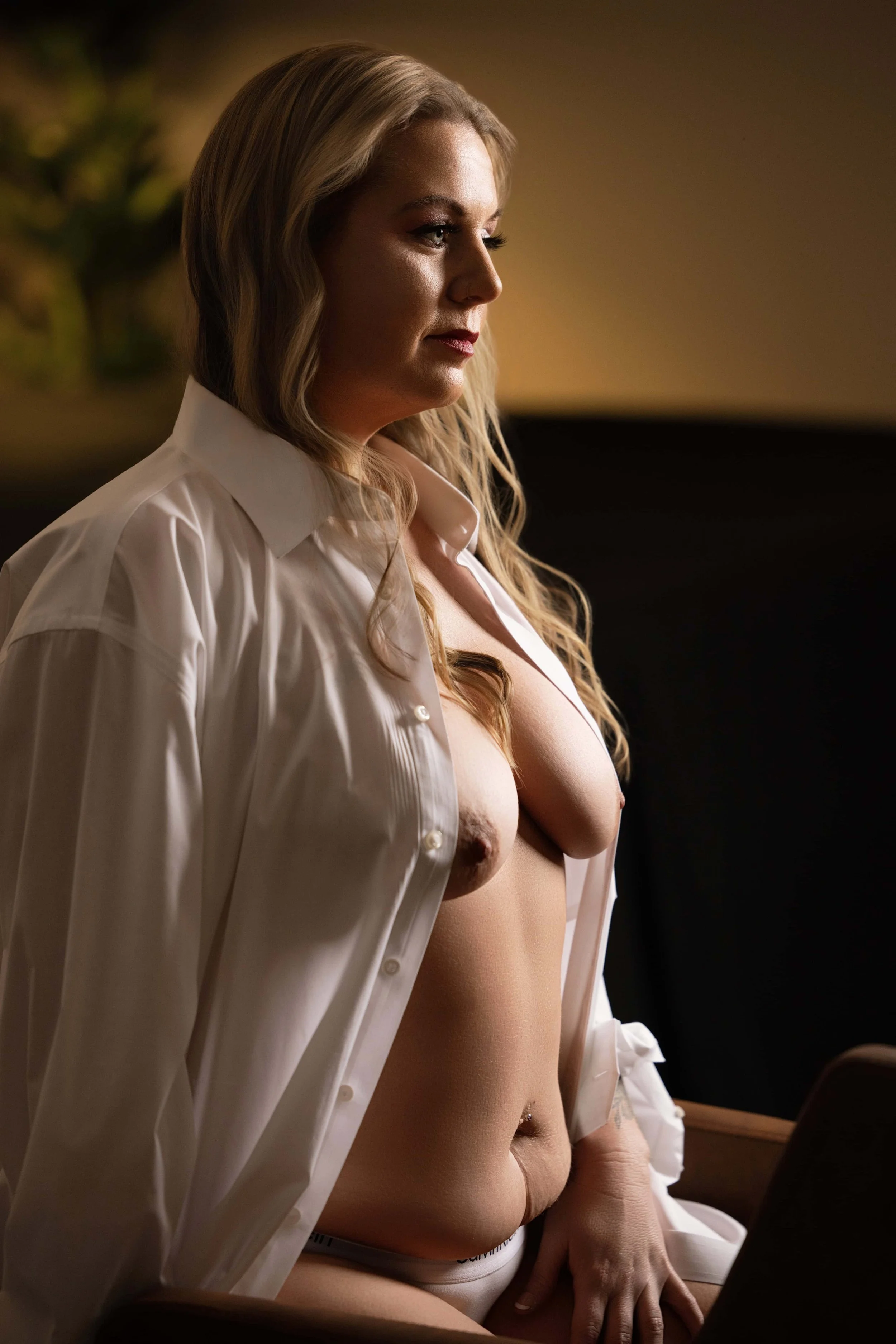
Boudoir isn't one thing. It has range — and figuring out the energy you want before your session means you walk in with direction instead of trying to make that decision under pressure.
Here are the main styles to consider:
Soft & Romantic Warm tones, natural light, sheer fabrics, florals, neutral lingerie. The kind of photos that feel like a painting. Soft, feminine, dreamy. Great for brides, anniversaries, or anyone who gravitates toward warmth and beauty over edge.
Dark & Editorial Dramatic lighting, deep shadows, bold colors or black-on-black. More high-fashion, more fierce. Less "beautiful" in the traditional sense and more powerful. Great for women who want something that feels like a magazine spread.
Playful & Fun Bright colors, cheeky expressions, movement, personality. Not taking itself too seriously. Great for women who are a little nervous and want to lean into the fun of it rather than the intensity.
Artistic & Conceptual More abstract — focused on form, shadow, texture, negative space. Sometimes less overtly "sexy" and more about the body as art. Great for creative women who want something truly unique.
Empowering & Fierce Confident poses, strong lighting, bold wardrobe choices. Less about softness and more about presence. Great for women who want to feel like the main character — because you are.
Most sessions end up being a blend. You might start soft and romantic and by the third outfit you're doing something a little more editorial. We'll figure it out together — and I'll have reference images pulled before your session so we're speaking the same visual language when we get started.
The Lingerie Guide
This is where most clients spend the most mental energy before their session — and where the most questions come from. So let's go deep.
Colors That Photograph Beautifully
Black is the workhorse of boudoir and for good reason. It photographs with incredible contrast and drama, works on every skin tone, and makes strappy, detailed pieces like harness sets and lace-up styles look striking rather than busy. If you're unsure what to bring, one black piece is almost always the right call.
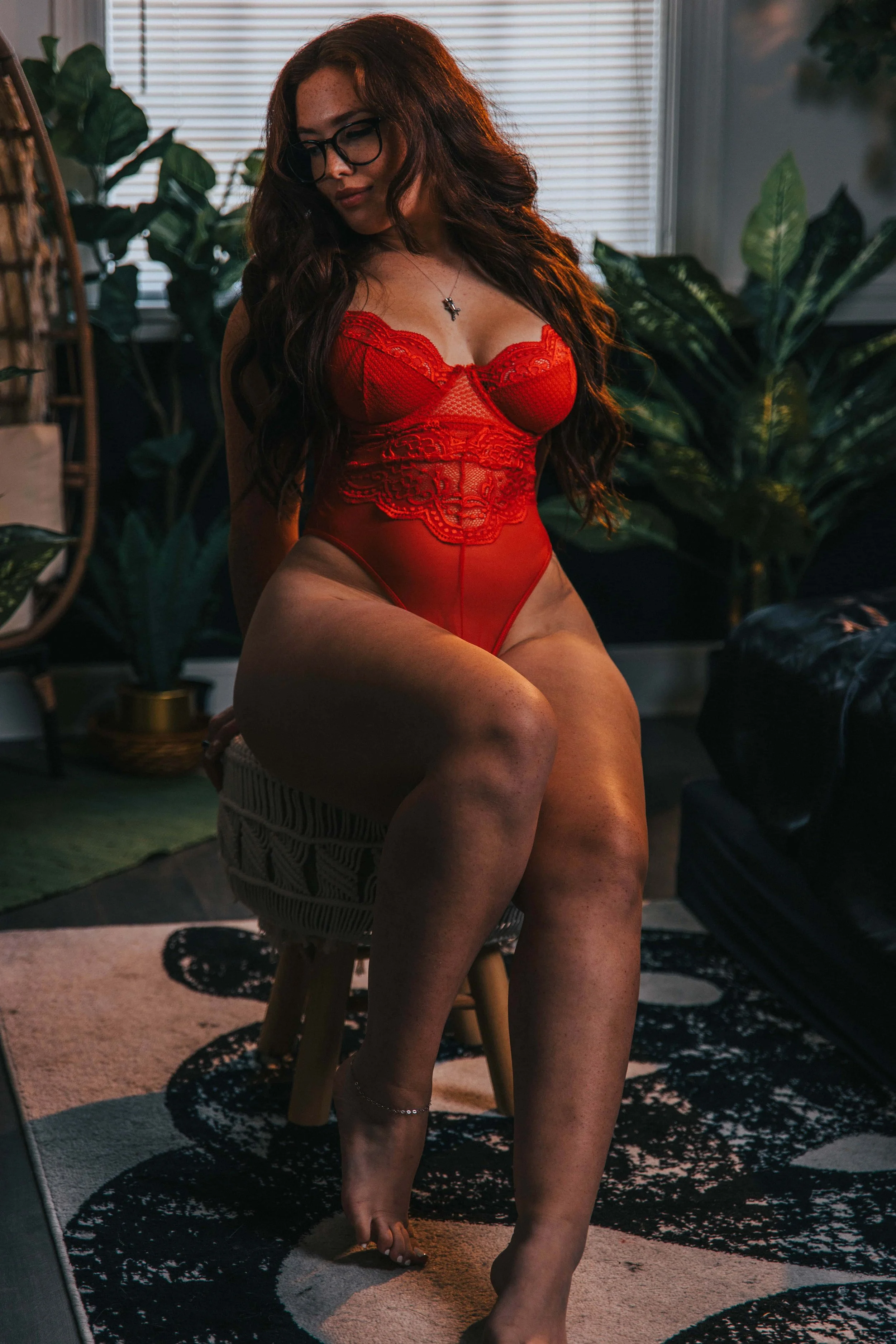
Classic red is bold, confident, and photographs with immediate presence. Deep red lace bodysuits, red strappy sets — they read exactly as powerfully on camera as they feel in person. If you want images that make a statement, red delivers.
Nude and champagne tones are some of the most elegant options in boudoir — but they have to be matched carefully to your actual skin tone. The right nude creates a fine art, second-skin look. The wrong one disappears or reads as gray. Deep V-neck lace bodysuits in champagne or nude photograph beautifully when the tone is right.
Blush and dusty rose are softer, more romantic — gorgeous for sheer sets, delicate lace bralettes, and fishnet pieces where you want something that feels feminine and dreamy rather than bold.
White and ivory bring a different energy — clean, fresh, slightly unexpected in boudoir. White fishnet or white lace sets read as confident and a little editorial. They photograph best against darker or neutral backdrops.
Leopard and animal print add personality and edge — playful without being over the top. A leopard garter set or strappy animal-print piece gives your gallery a look that's completely different in energy from the rest.
Pink ranges from soft blush to hot pink depending on the piece. Soft pink reads romantic; brighter pink reads playful and fun. Both photograph well — just know the energy each one brings.
What to avoid: Neons and very pale pastels on fair skin — they can wash out or disappear on camera. Also avoid colors that too closely match your backdrop if you're on a light background. You want to be the subject, not blend into it.
Styles by Body Type
Here's the thing about body type advice: it's guidelines, not rules. The "rules" about what you're supposed to wear for your body type have been used to make women feel self-conscious for decades. Wear what makes you feel incredible. Full stop.
That said — some practical notes on what tends to photograph well:
Fuller bust: Underwire or structured bralettes give shape and lift that translates beautifully on camera. Soft, unstructured bralettes can work but may need careful posing. Balconette and demi-cup styles that frame without compressing tend to be more flattering than full-coverage styles. High-waisted bottoms are stunning — they're flattering, feminine, and editorial all at once.
Smaller bust: Soft bralettes, delicate lace triangles, and unstructured styles look gorgeous and work beautifully without needing support. This is where a lot of the more delicate, ethereal lingerie really shines. Bralettes with interesting details — cutouts, ties, layered fabric — add visual interest where structure doesn't.
Fuller midsection: High-waisted bottoms are your best friend — they're not a "trick," they're genuinely one of the most beautiful silhouettes in boudoir photography. Bodysuits create a long, clean line. Wrap styles and open robes that fall away from the body rather than clinging to it give you control over exactly how much shows and when. Strategically draped fabric and sheet wraps (more on that below) are a whole vibe on their own.
Fuller hips/thighs: Classic cuts and high-cut briefs elongate the leg line on camera. Garter belts and stockings do the same — they draw the eye along the length of the leg and are genuinely one of the most universally flattering combinations in boudoir. Brazilian-cut bottoms tend to work better on camera than thongs for most body types.
Petite frames: Delicate, minimal lingerie reads proportionately — heavy fabrics and lots of layers can overpower a smaller frame. High heels (if you're comfortable in them) make a real difference in elongating the leg line. Sets with thin straps, dainty details, and lightweight fabrics tend to photograph beautifully.
Athletic/straight figures: Almost anything works — you have a lot of flexibility. If you want to add curves, ruching, gathering, and wrap styles create shape. If you want to lean into the athletic aesthetic, clean-lined minimalist sets look very strong and editorial.
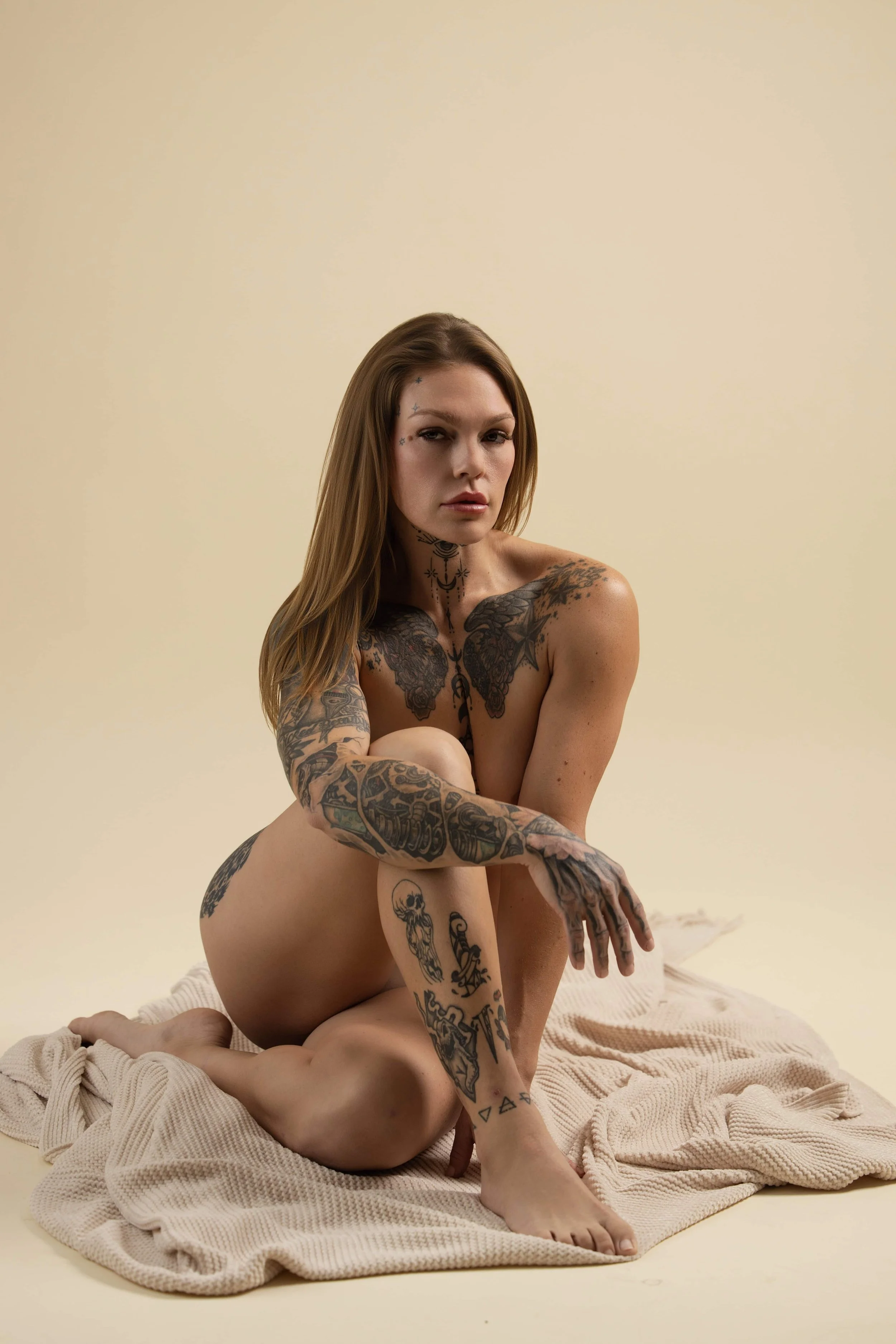
Larger sizes: Every single thing on this list applies to you. Larger bodies are stunning in boudoir — full stop. High-waisted sets, bodysuits, open robes, wrap styles, and sheet draping all photograph beautifully. Don't let anyone — including yourself — tell you otherwise.
How many outfits to bring
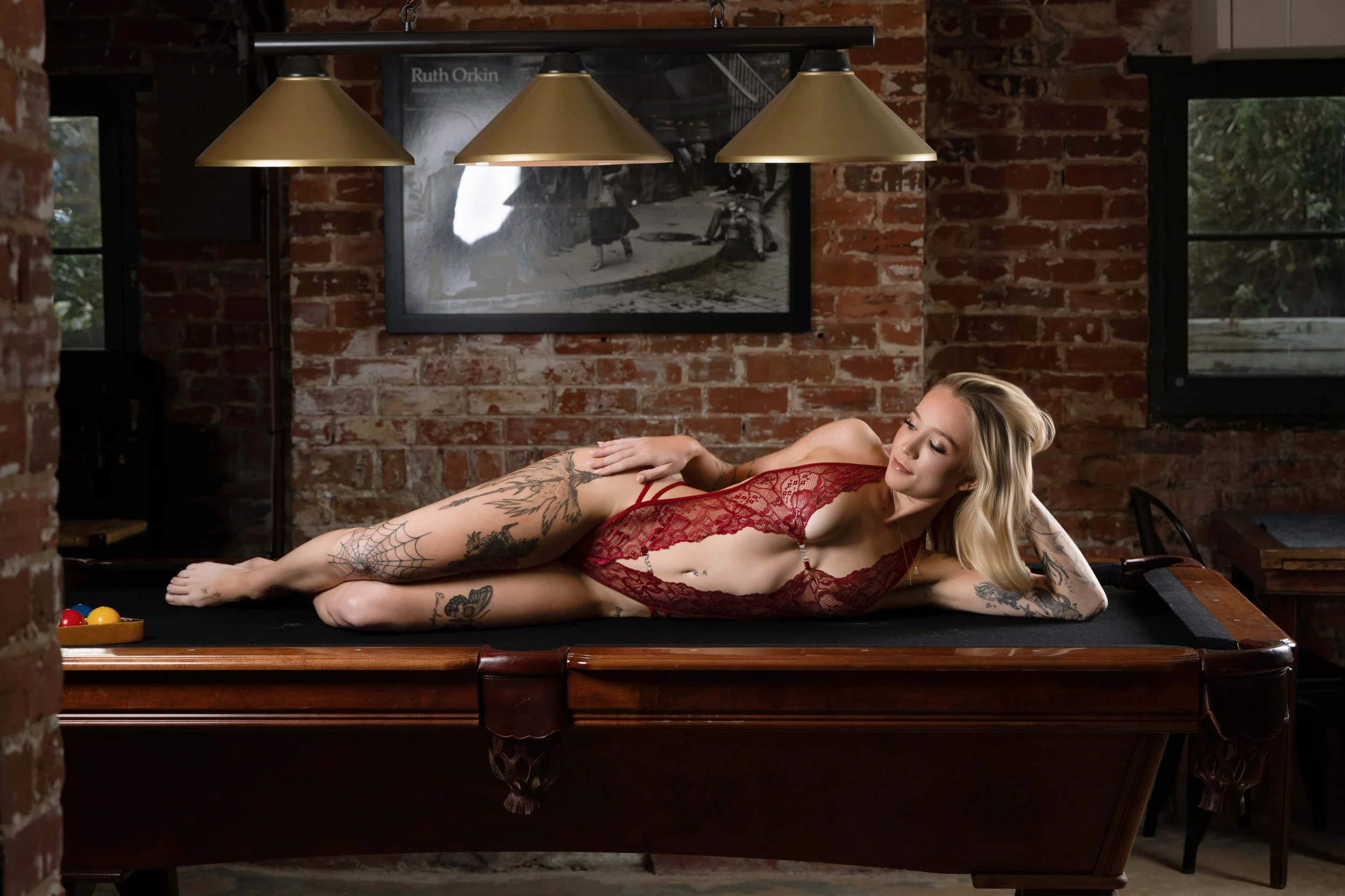
Three to four looks is the sweet spot. Enough variety to give the session range and give you options during your reveal — not so many that we're rushing through changes instead of actually shooting.
Here's how I'd think about building your looks:
Look 1: Your favorite. The piece you've been excited about since you booked. The one that makes you feel most like yourself. Start here. It sets the tone and gets you comfortable.
Look 2: Something different in energy. If look 1 is soft and romantic, look 2 might be darker or bolder. If look 1 is a structured set, look 2 might be something more draped or flowing. Contrast is good — it gives your gallery range.
Look 3: The wild card. This is where the oversized tee, the jeans, the robe, the unexpected thing lives. More on this below.
Look 4 (optional): If you have a fourth look you love, bring it. We may or may not get to it depending on time, but it's always better to have options than to wish you'd brought something.
Beyond Lingerie: The Full Outfit Picture
Here's what I tell every client who's bringing their own wardrobe — because it often surprises people:
Bring your favorite lingerie piece first. Whatever you're most excited about. That's your opener.
Bring a soft, slouchy tee or any tee you love. An oversized t-shirt in boudoir is genuinely one of the most versatile and stunning looks in the whole session. Slightly off the shoulder, paired with nothing or just underwear underneath — it's effortlessly sexy in a way that feels real and personal. Stonewash or vintage-washed styles photograph especially well.
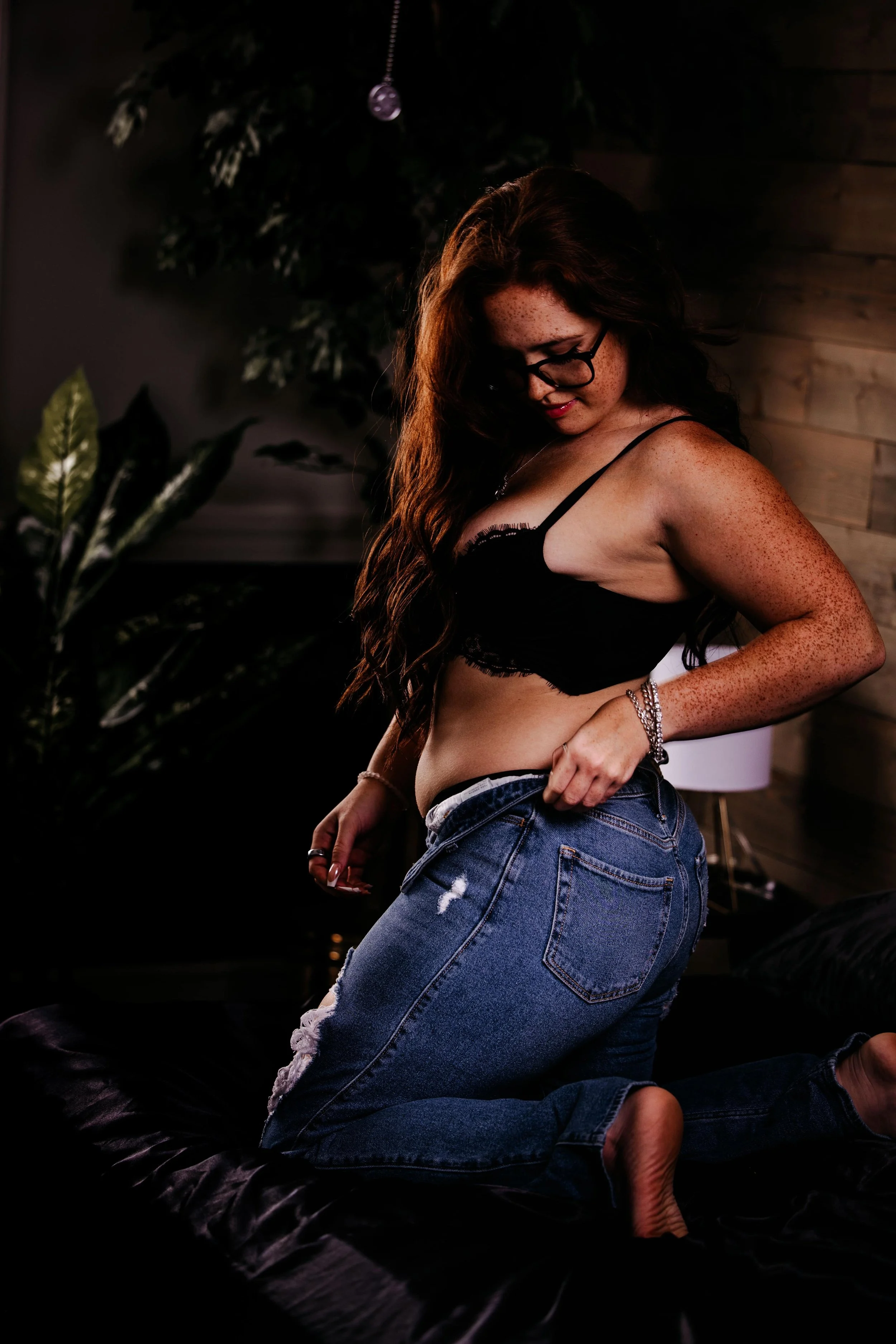
A pair of jeans. Stonewash preferred. Denim in boudoir is a whole mood — it's casual and confident and a little unexpected in the best way. Worn low, paired with a bralette or nothing on top, or unbuttoned just slightly — it tells a completely different story than the lingerie sets and gives your gallery real range.
If you want to include something sporty: Skip the actual sports jersey — football jerseys, basketball jerseys, anything with that thick structured athletic cut. They're boxy by design and that boxy quality doesn't go away on camera regardless of how it fits. A fitted athletic tee or a cute cropped sports-adjacent top? Totally different story. It's the boxy structured jersey silhouette specifically that doesn't translate.
Robes and kimonos are some of the most beautiful transitional pieces in boudoir — they photograph stunningly as an opening look, a cover-up between sets, or a full look on their own. Silk, satin, and lace robes are especially gorgeous. If you have one you love, bring it.
"Just the sheets" — this deserves its own mention. Some of the most stunning boudoir images aren't about the lingerie at all. They're about form, light, and a simple white sheet. This is more of a posing conversation than a wardrobe one — [I'll be covering this in depth in an upcoming post] — but know that it's always on the table as a look if you want it.
Where to Shop
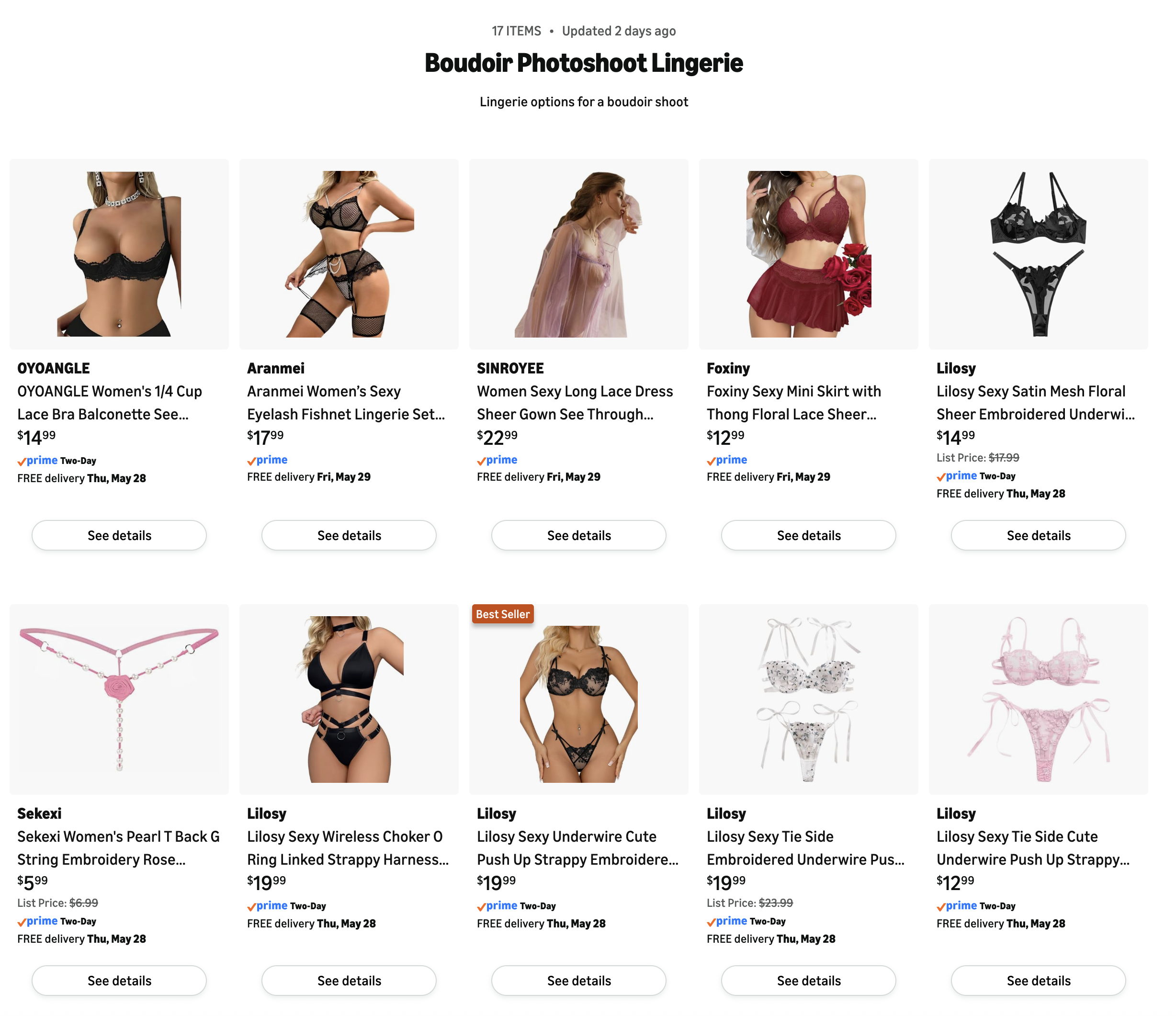
You don't have to break the bank. Beautiful boudoir lingerie exists at every price point.
I've put together a curated shopping list of my favorite picks — pieces that photograph well, fit a range of body types, and won't require a second mortgage. Browse the full list here → These are Amazon finds, but they're curated — not random. You can also find incredible pieces at ASOS, Savage X Fenty (excellent for inclusive sizing), Adore Me, Victoria's Secret, Free People for the boho/romantic vibe, and local boutiques if you want something you can try on in person before your session.
The Client Closet
Not sure what you have, not sure what to buy, or just want access to more options on the day of your session? I've got you.
When you book with me, you get access to my client closet — a curated selection of lingerie, robes, wraps, and accessories available for use during your session at no additional cost. If you see something in my portfolio you love and want to recreate it, ask — there's a good chance it's in the closet.
Accessories in boudoir are a little different than in regular portraits — there's more room to play, and the right piece can completely change the feel of a look. The core principle still applies: you are the subject. Accessories should enhance the story, not take it over.
Heels: If you're comfortable in them, bring a pair. They elongate the leg line dramatically and add presence to a lot of poses. Stilettos, block heels, strappy sandals — all work. You won't be walking around in them all day, just wearing them for specific looks. If heels aren't your thing, don't force it — bare feet photograph beautifully and socks have their own whole aesthetic.
Jewelry: This is where boudoir gets to be a little more indulgent. A delicate gold chain, a pearl necklace, layered dainty pieces — all stunning. A bold statement necklace can anchor an editorial look. Earrings that frame your face beautifully are always a good call. Be intentional — one statement piece at a time, not everything at once.
Body chains and waist jewelry: Gorgeous in boudoir. They add visual interest and movement that photographs strikingly. If you have one, bring it.
Garter belts and stockings: One of the most classically beautiful combinations in boudoir. They elongate the legs, add texture and detail, and photograph in a way that's simultaneously elegant and striking. Almost always worth it.
Robes and kimonos: Silk and satin robes photograph stunningly — partially open, slipping off the shoulder, wrapped loosely. A delicate lace robe over a simple set adds layers of visual texture. Bring one even if you don't think of it as a "look" — it might become your favorite image from the whole session.
Sentimental pieces: A piece of jewelry from someone you love. A letter. A meaningful object. These can make for incredibly personal images that go well beyond the aesthetic. If something comes to mind, bring it — we'll find a way to work it in.
What to leave home: Anything that doesn't feel like you. Accessories you'd be constantly adjusting or worried about. Anything you're wearing to perform a version of yourself rather than actually be yourself.
Hair & Makeup
Go a little glam
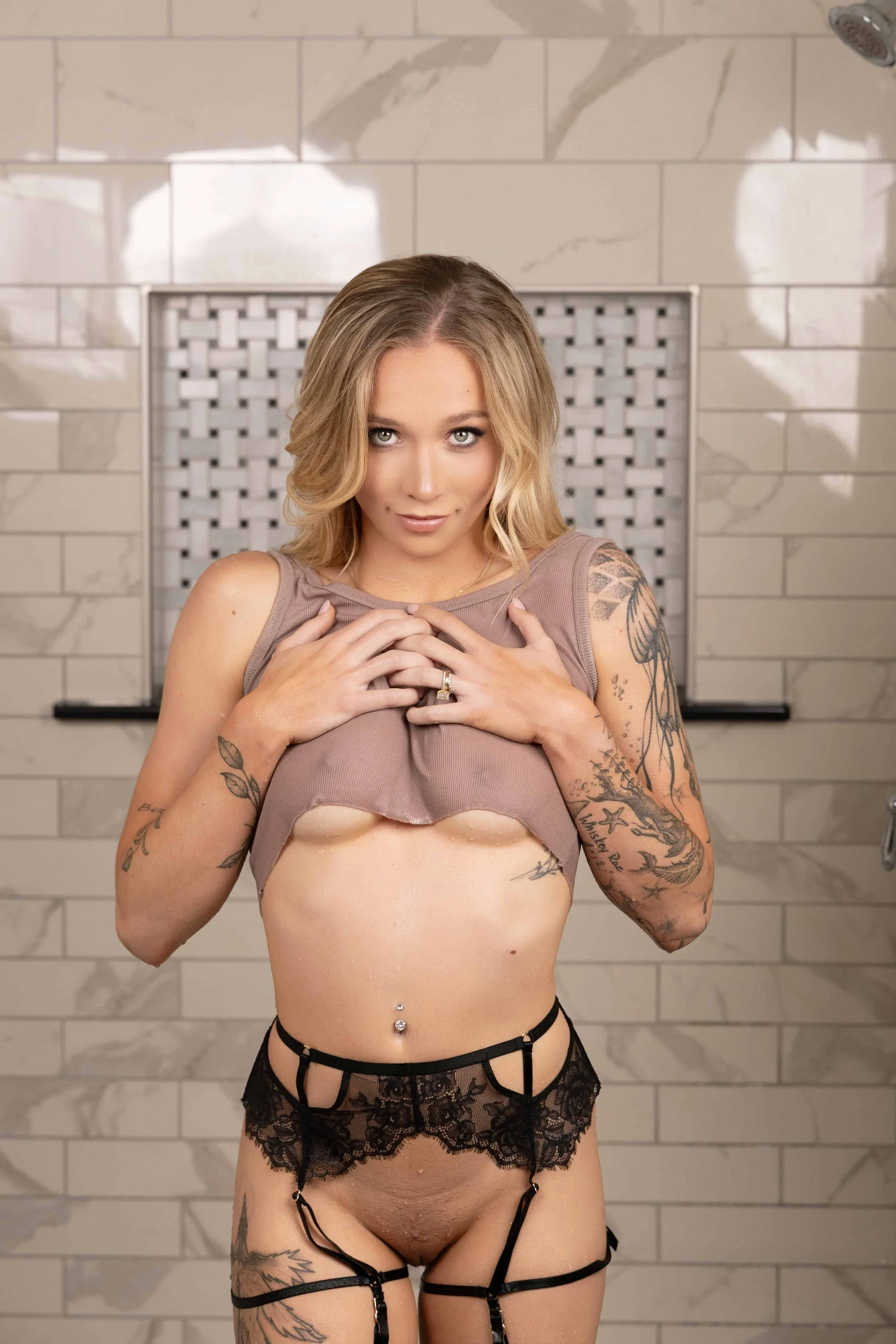
Here's the thing about boudoir hair and makeup that's different from every other kind of session: this is not about looking professional. It's not about looking appropriate for a LinkedIn profile or a corporate headshot. It's about feeling extraordinary — about walking into this session as the most luminous version of yourself and having the photos to prove it.
So if you've ever wanted a smoky eye but thought it was "too much" — this is the session. The dramatic lash. The bold lip. The blown-out waves that take a full hour. The things you'd normally talk yourself out of because you'd feel overdone.
You won't feel overdone here. You'll feel like yourself, turned all the way up.
A professional hair and makeup artist is available as part of select packages — one line, because the real story here is your experience of it, not my service menu. What matters is that you arrive ready, whether that means arriving fully glam on your own or sitting in the chair with one of my incredible artists and letting them take care of it.
Either way — read the tips below. They apply whether you're doing it yourself or someone's doing it for you.
Makeup by Skin Type
The goal for boudoir makeup is a step up from everyday — intentionally camera-ready, with room to be more dramatic than you might usually go.
Fair/Light Skin Fair skin can wash out under certain lighting without enough contrast. Boudoir is a great opportunity to add warmth with bronzer, blush, and a richer lip color than you might normally wear. A slightly deeper foundation shade can add warmth under studio light. Don't be afraid of a smoky eye or a bold lip — fair skin carries both beautifully. Avoid anything too pale or frosty; it flattens the face on camera.
Medium/Olive Skin Olive tones photograph with incredible warmth and depth — lean into it. Choose a foundation with a golden or neutral undertone (avoid pink or gray-based formulas, which make olive skin look muddy). Deep rose, berry, brick red, and warm nude lip colors all look stunning. A dramatic eye with olive or medium skin is a striking combination.
Deep/Dark Skin Avoid any foundation or powder with SPF — they cause flashback, the white cast that appears under flash or bright studio lighting. Choose a foundation that is a true match to your skin tone, not lighter. Pigmented highlight and contour products that are rich enough to show up on camera. Deep, saturated lip colors — plum, berry, deep red, rich brown — are absolutely gorgeous and photograph with stunning depth.
Mature/Aging Skin Light-to-medium coverage liquid foundation with a touch of moisture photographs more naturally than full-coverage or powder formulas, which settle into fine lines. Use a translucent setting powder sparingly and only where needed. Cream blush and cream highlight look softer and more radiant than powder on mature skin. For lips, a slightly creamier formula with a hint of gloss reads as fuller and more hydrated — matte lipstick tends to emphasize fine lines around the mouth.
Combination/Oily Skin Shine shows up quickly under studio lighting — address it with a matte or long-wear foundation, matte setting powder, and a setting spray. Keep blotting sheets on hand for touch-ups. Avoid anything luminizing or dewy-finish in your base products.
Dry/Sensitive Skin Moisturize well in the days leading up to your session. A hydrating primer before foundation makes a real difference. Stick with liquid and cream formulas throughout — avoid heavy powder products that accentuate dry texture. A satin or light-reflecting finish (not matte) is more flattering on dry skin.
Universal tips:
Boudoir is the session where a slightly more dramatic eye is always appropriate — smokier shadow, more liner, a bolder lash. Go for it.
No shimmer eyeshadow — it settles into creases and accentuates lines under studio light
A bold lip in boudoir is often stunning — if you've ever wanted to try one, this is the session
Black mascara reads better on camera than brown; use a fresh or nearly-new tube
Avoid any products with SPF in your base — flashback is real and unflattering
Hair Styling
Boudoir wants feeling — and often, that means something with more texture, movement, and sensuality than your everyday style.
Straight Hair Soft waves, a beachy texture, or a voluminous blowout all photograph beautifully in boudoir. Pin-straight hair can work in an editorial or minimalist look, but adding even a little wave or bend gives it movement and life. Use shine-enhancing products — glassy, healthy-looking straight hair is stunning. Avoid anything that makes it look flat or dull.
Wavy Hair You're basically already there. Define your waves, tame the frizz, add shine. Wavy hair in boudoir has a natural, effortless quality that photographs strikingly. Don't over-work it — let it do what it wants to do.
Curly Hair Boudoir and curly hair are made for each other. Volume, texture, movement — curly hair brings presence to a frame that no blowout can replicate. Moisture and definition are everything. Avoid the urge to straighten it for the session — your natural curls almost certainly photograph more stunningly than you realize.
Coily/4C Hair Natural texture, stretched styles, protective styles, locs — all of it is stunning in boudoir. This session is about you feeling your most beautiful, and your hair is part of that. Wear what makes you feel most like yourself. Our artists work with your hair, not against it.
Fine/Thin Hair Volume is your friend. A voluminous blowout, velcro rollers, or dry texture spray can give fine hair significant lift and body that reads beautifully on camera. Avoid heavy products that weigh it down.
Thick/Coarse Hair Your hair has natural volume and presence on camera. The main focus is controlling frizz and flyaways under studio lighting. A smoothing blowout, anti-frizz serum, or light oil through the ends is worth the effort — studio lighting picks up frizz mercilessly.
Universal hair tips for boudoir:
This is a session where "undone" is often more beautiful than "done." Slightly tousled, lived-in, bedhead-adjacent can be incredibly striking
Half-up styles, loose waves pinned at the side, low loose buns — all great options that give movement and softness
Avoid anything so structured or sprayed that it doesn't move — boudoir images are often best when the hair has life to it
Bring a brush, comb, and some flexible-hold hairspray for touch-ups between looks
Preparing your Skin
Boudoir prep is your whole self — and a little advance care makes a real difference in how your images look and how you feel on the day.
The Week Before
Exfoliate. Two to three times in the week before your session — your arms, legs, chest, anywhere that will be visible. Smooth, exfoliated skin catches light beautifully and photographs with a healthy glow that dry, flaky skin just can't replicate.
Moisturize daily. After every shower, every day, in the week leading up to your session. Hydrated skin photographs dramatically better than dry skin — the difference is genuinely visible on camera. Pay extra attention to knees, elbows, and anywhere skin tends to be drier.
Drink extra water. More than you think you need. Start three or four days out. Hydration shows up in your skin.
Avoid alcohol the day before and the day of your session. Alcohol causes water retention and puffiness — especially in the face. One glass of wine with dinner two nights before is fine. Drinks at dinner the night before or drinks the day of? You'll likely see it in your skin and your face. During the session or just before if you need it to take the edge off — that's your call, you won't puff up instantly. But avoid the drinks that seem far enough away to be harmless. They're not.
Skip any waxing, threading, or skin treatments within 5-7 days of your session. Redness and irritation from these treatments shows up on camera. Give your skin time to fully calm down.
Avoid tanning beds and extended sun exposure in the two weeks before your session. Tan lines, peeling, and unevenness from a fresh tan are difficult to address in editing.
Self-tanner: If you use it, apply it 3-4 days before your session — not closer. Self-tanner that's too fresh can look uneven or streaky on camera. If you're not a regular self-tanner user, your session is not the time to try it.
Day Of
Avoid tight waistbands, bra straps, and socks before your session. Elastic marks from clothing can take 30-60 minutes to fade — and under studio lighting, they're clearly visible. Wear loose, comfortable clothing to your session. If you're wearing a bra on the way over, take it off 30-40 minutes before your session starts.
Skip heavy perfume day-of. It's not a photography issue — it's a courtesy to the space and to your artist if you're getting HMU on-site. A light spritz is fine.
Shave or wax at least 24 hours before, not the morning of. Fresh shaving can cause minor irritation and redness that shows up on camera. Give your skin time to settle.
Moisturize your whole body the morning of. Everything that will be visible. Every bit of it.
What to Expect
Let's talk about the part that doesn't show up in the portfolio images.
Almost every client is nervous walking in. Not a little nervous — like, genuinely, hands-slightly-shaky, "what did I sign up for" nervous. This is normal. It is, in fact, nearly universal. The women who look the most effortlessly confident in their images? Most of them felt exactly the same way you do right now.
Here's what actually happens:
You arrive. The studio has drinks and snacks waiting — this isn't a rushed, clinical experience, it's yours to settle into. During your consultation we'll have already talked through your playlist, so the music you actually want is already queued up when you walk in. If you're getting hair and makeup done, you sit down and we talk. About your session, your goals, what you're excited about, what you're nervous about. By the time you're done in the chair, something has already started to shift. You look in the mirror and you look good — and that does something to your nervous system.
We go over your looks together. I'll pull reference images for each one so you can see the direction we're going. You're not guessing. You have a plan.
Then we start shooting. I direct every single pose — you don't need to know what to do, that is genuinely my entire job. I'll guide your body, your chin, your hands, your expression. The first few frames, you might still feel a little awkward. That's normal. Keep going.
Somewhere around 10-15 minutes in, it clicks. The awkward melts. You stop thinking about what your face is doing and you start just... being there. That's the moment everything in the frame changes. That's where the best images come from.
We'll laugh. I'll probably say something dumb to get a real reaction out of you right before I click the shutter. There will be a moment — usually around the second look — where you stop worrying and start having fun. And from there it's just fun.
The women who are most nervous walking in often have the most powerful sessions. There's something about facing the thing that scares you that shows up in the images in a way that confidence that was always there just... doesn't.
Couples Boudoir Prep
Everything above applies — and then there's this.
Couples boudoir is one of the most intimate and genuinely beautiful things I photograph. Two people, in a space that's just for them, creating images they'll have for the rest of their lives.
It's not awkward. I know that's the first thought. It's not — because I direct everything, and because the second you're focused on each other instead of the camera, the images take care of themselves.
Couples sessions work beautifully for:
Partners who want something just for the two of them
Anniversaries, engagements, and milestone moments
Celebrating a relationship that has been through something and come out the other side
Anyone who wants images that capture how they actually look at each other
For couples sessions, both partners should read the full prep guide — the wardrobe, skin prep, and day-of advice all apply to both of you. Coordinate your looks without being too "matchy" — complementary colors and tones tend to photograph better than identical outfits. Think about what you'd both feel confident in, and build from there.
Interested in a couples session? Get in touch and let's talk through what that looks like.
Retouching
Let's be clear about what happens to your images — and what doesn't.
Retouching is not transformation. The goal of every image I deliver is simple: this looks like you on your absolute best day. It should be immediately, unmistakably recognizable as you. Not a filtered version of you. Not a slimmed-down, smoothed-out stranger who happens to be wearing your lingerie. You.
What retouching does: Smooths temporary skin texture, redness, and blemishes. Addresses flyaway hairs and distracting stray strands. Removes temporary distractions — a visible tag on lingerie, a small mark from elastic that didn't quite fade in time, a shine spot from studio lighting. Adjusts exposure, color, and contrast so the image is polished and print-ready.
What retouching does not do: Change your body shape or proportions. Remove permanent features — stretch marks, scars, cellulite, birthmarks — without an explicit conversation. Make you look like you have a different body than you do.
On stretch marks and cellulite specifically: I don't automatically remove these. They are part of your body, and your body is what we're celebrating here. Some clients want them softened; some want them left exactly as they are. That's always your call — just let me know what you want and we'll make sure the final images reflect that.
Your Images
How They're Delivered
After your session, your proofing gallery is delivered within a few days. You'll review your images and select your favorites — and this is often the most emotional part of the whole experience. Seeing yourself the way the camera saw you, the way I saw you, is genuinely different from how you see yourself in a mirror.
Fully retouched images are delivered after your selections are made.
Printing and Wall Art
These images deserve to live somewhere other than a phone camera roll.
Your boudoir images can be printed as fine art prints, framed wall pieces, albums, and keepsake boxes. I work with professional print labs and handle everything — so you're not left trying to figure out where to print something this important on your own.
For clients who want wall art, I offer an in-home reveal and design session where we look at your actual wall space and figure out exactly what belongs there. Your images, in your space, scaled and placed the way they're meant to be seen. Not guessing at sizes and hoping it works. Actually seeing it.
A boudoir album — the kind you hold in your hands, sit with, and return to — is one of the most meaningful things a client can have from a session like this. Ask me about album options when we talk.
Who Sees Your Images
This is a question I get a lot and it deserves a direct answer: nobody sees your images without your permission. Not posted, not shared, not used for marketing without your explicit written consent. Your session, your images, your decision — completely.
If you do want to share them (some clients do, some don't), that's a conversation we can have. But it's always entirely up to you.
Ready to book?
You've been thinking about this for a while. Maybe a long while. And here you are, at the bottom of a very long guide, which means something in you is ready — even if another part of you is still negotiating.
Here's the thing: that feeling doesn't fully go away before you book. It goes away after. After you've done it. After you've seen the images. After you've sat with proof of how incredible you actually are.
So book first. Feel ready after.
Book your session here →
Or call or text me directly at (910) 787-1631. No pressure, no pitch. Just a conversation about what you need and what this looks like for you.
You deserve this. Not someday. Now.
Cheeeeeeeers 🥂 — Brad
Brad Poirier is a boudoir photographer based in New Bern, NC. Serving clients across Eastern NC including Jacksonville, Wilmington, Greenville, and More. Studio located at 2605 Trent Rd, New Bern, NC 28562.